
Schools
Rockslide closes Lehigh Gorge Scenic Railway in the Poconos
By Natalie G. Ramos
Advertisement · Why this ad?
Natalie has over 7 years of experience in education reporting, previously working with the Norristown Herald. She holds a Master’s in Educational Leadership from Arcadia University and is passionate about covering stories that impact local students and educators. Natalie's focus is on highlighting innovative programs and challenges within King of Prussia’s schools.
More from Natalie →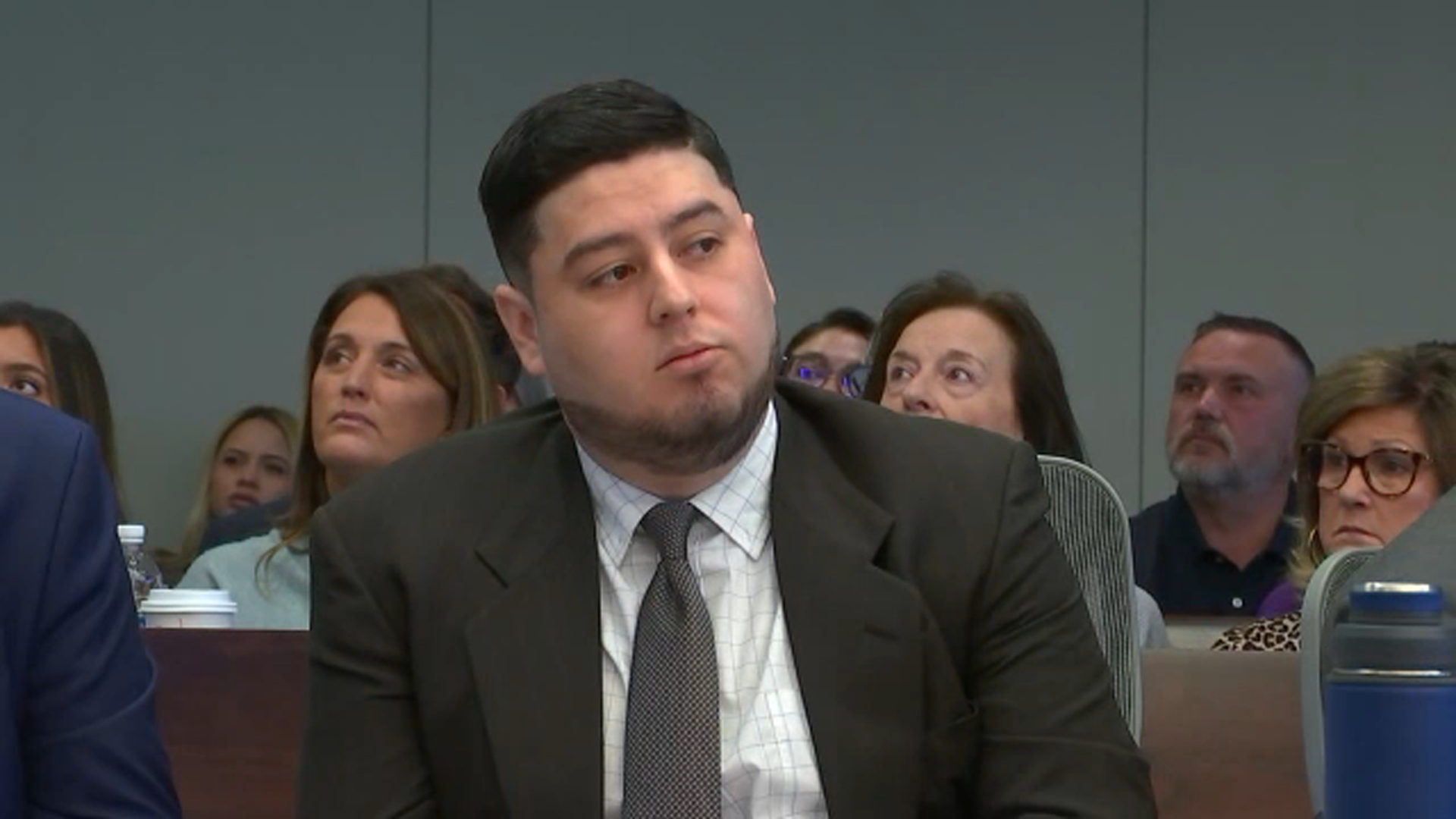
In a moment that reverberates through the corridors of justice and the hearts of a grieving community, the case of Faith Hedgepeth continues to unfold. The young woman, a dedicated student at the University of North Carolina, was found murdered in her apartment in 2012, a crime that shocked not only her family and friends but also the broader community. Now, over a decade later, the man convicted of her murder, Miguel Salguero Olivares, has filed a notice of appeal, reigniting discussions about the implications of this case for justice and community healing.
Faith Hedgepeth's life was tragically cut short on September 7, 2012, when she was discovered deceased in her Chapel Hill apartment. The investigation that followed was extensive, involving local law enforcement and the community, as they sought to bring closure to a case that left many feeling vulnerable. In 2021, Salguero Olivares was found guilty of her murder, a verdict that brought a sense of relief to some, yet left lingering questions in the minds of others.
Now, with the filing of an appeal, the legal saga appears far from over. Salguero Olivares's defense team is seeking to overturn the conviction, arguing procedural errors during the trial that they believe compromised the integrity of the process. This new development not only affects the families involved but also resonates deeply within the community that rallied for justice in Hedgepeth's name.
The appeal process is a critical aspect of the American judicial system, allowing those convicted of crimes to contest their convictions based on claims of legal missteps. In this case, Salguero Olivares's legal team is likely to focus on various elements, including the admissibility of evidence and the conduct of the trial. Appeals can often take years to resolve, prolonging the agony for victims' families and communities that are desperate for closure.
As the appeal progresses, it will be essential for the community to stay informed about the proceedings. The implications of the appeal extend beyond the courtroom; they touch on the collective healing of a community that has been bearing the weight of this tragedy for over a decade. The desire for justice is often intertwined with the need for understanding and healing, making this a pivotal moment for all involved.
The response from the community has been one of mixed emotions. Many residents of Chapel Hill and beyond remember Hedgepeth as a bright, promising student whose life was tragically cut short. The news of the appeal has sparked conversations about justice, forgiveness, and the enduring impact of violence on families and communities.
Local leaders and organizations that have been advocating for victims' rights have expressed concern over the potential implications of the appeal. For them, the case is not just about one individual but represents a broader struggle against violence and the need for a justice system that truly serves its purpose. It is a reminder of the fragility of life and the importance of community solidarity in the face of tragedy.
Community members have taken to social media to express their feelings about the appeal. Many have shared memories of Hedgepeth, emphasizing her vibrant spirit and the impact she had on those around her. Others have voiced their frustration, feeling that the appeal could undermine the hard-fought justice they believed had been achieved.
As these discussions unfold, it is vital for the community to engage in constructive dialogue. This case serves as a reminder of the importance of strong families and intact communities, where individuals can lean on one another for support during difficult times. The healing process is often long and complex, but it is essential for moving forward.
Looking ahead, the next steps in the appeal process will be closely monitored by both legal experts and the community. The appellate court will review the arguments presented by Salguero Olivares's defense team and the prosecution's response. This process will involve a thorough examination of the trial record, and any new evidence or arguments may also be considered.
The timeline for appeals can vary significantly, and it is not uncommon for such cases to take months or even years to resolve. As the community awaits the court's decision, it is crucial to maintain a focus on healing and support for those affected by Hedgepeth's murder. Community organizations and support groups can play a vital role in providing resources and assistance to individuals grappling with the emotional aftermath of this case.
In light of the ongoing appeal and the emotions it stirs, it is essential for the community to have access to resources that promote healing and understanding. Local organizations, such as the North Carolina Department of Health and Human Services, offer mental health services and support for those affected by crime and violence.
Additionally, community centers and faith-based organizations can provide safe spaces for individuals to share their experiences and seek comfort in one another. The importance of authentic faith and strong marriages cannot be overstated during times of crisis, as these elements often serve as pillars of support for individuals and families.
As the appeal process unfolds, it is important for residents to remember the strength of their community. Engaging in open conversations about the impact of crime and violence can foster understanding and empathy. By coming together, individuals can work towards building a more resilient community that prioritizes healing and support for one another.
Moreover, local leaders can play a pivotal role in facilitating discussions and providing resources for those in need. By focusing on the values of commitment, family, and support, the community can navigate this challenging period with grace and resilience.
The case of Faith Hedgepeth remains a poignant reminder of the fragility of life and the enduring quest for justice. As Miguel Salguero Olivares files his appeal, the community is once again called to reflect on the impact of this tragedy. The journey towards healing is often fraught with challenges, but with a commitment to support one another, the residents of Chapel Hill can continue to honor Hedgepeth's memory while seeking a path forward.
As the legal proceedings unfold, it is essential to remain engaged and informed. The community's response will shape the narrative of this case, emphasizing the values of compassion, healing, and the unwavering pursuit of justice.
By Natalie G. Ramos

By Natalie G. Ramos

By Natalie G. Ramos

By Natalie G. Ramos